Can you believe it's 2026, and the battle against gaming cheats is still raging on? As a dedicated gamer who's poured countless hours into both Destiny 2 and Valorant, I know the frustration of running into cheaters all too well. It doesn't matter if you're in the Trials of Osiris or a high-stakes Valorant ranked match; that feeling of an unfair loss just sucks the joy right out. But here's the plot twist no one saw coming! In a move that shocked the gaming world, Bungie and Riot Games, the creators of these two massive shooters, have joined forces in an unprecedented legal alliance. They're not just banning players anymore; they're going straight to the source. This is a landmark moment in the fight for fair play, and honestly, it's about time.
The Cheating Epidemic: A Tale of Two Games
Let's break down why this partnership is such a big deal. Both Destiny 2 and Valorant have been fighting their own wars against cheaters, but the problems spiked at similar times.
-
Destiny 2's Trials Turmoil 🛡️
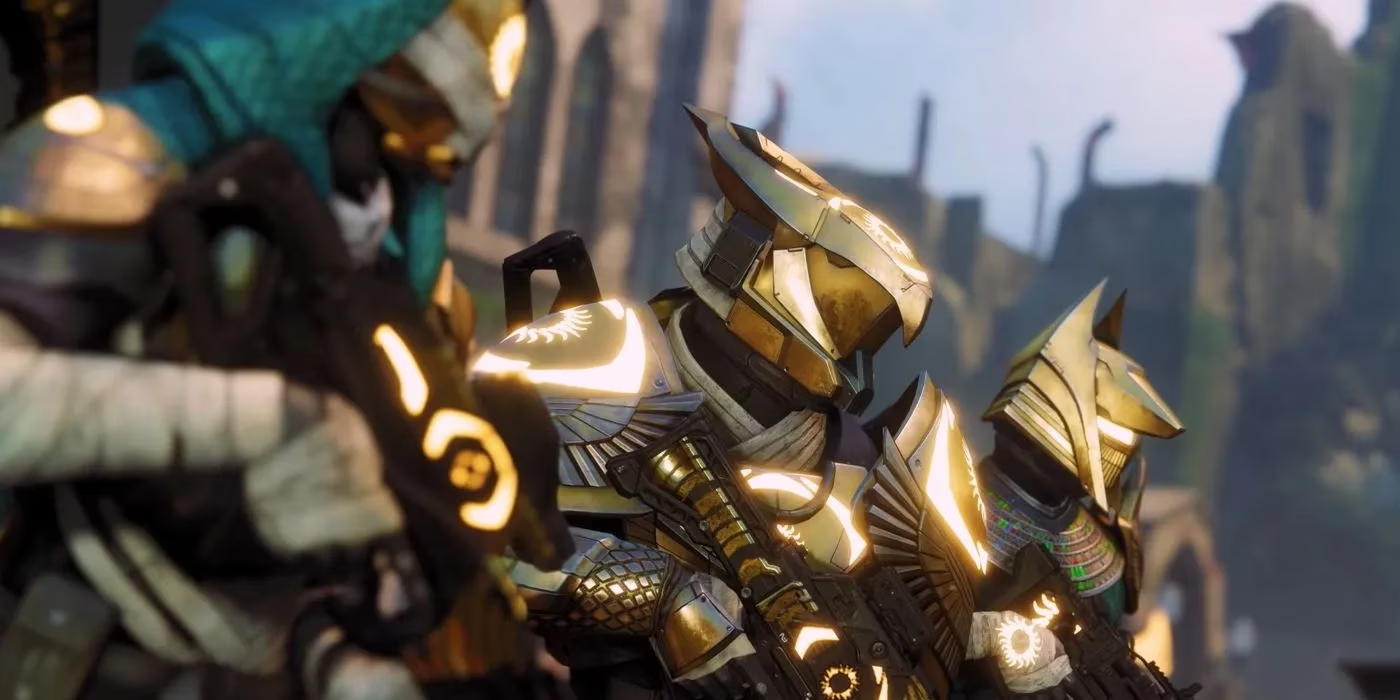
For Destiny 2, cheating was always a background noise until the triumphant return of Trials of Osiris a few years back. This was supposed to be the ultimate test of PvP skill! Instead, it became a playground for cheaters using every trick in the book:
-
Wallhacks to see through walls
-
Aimbots for perfect, instant headshots
-
Self-revives and even teleports to snatch victory from the jaws of defeat
Bungie responded with its infamous 'banhammer,' wiping out thousands of accounts. But it felt like playing whack-a-mole—new cheaters kept popping up!
-
-
Valorant's Vanguard Vigilance 🔫
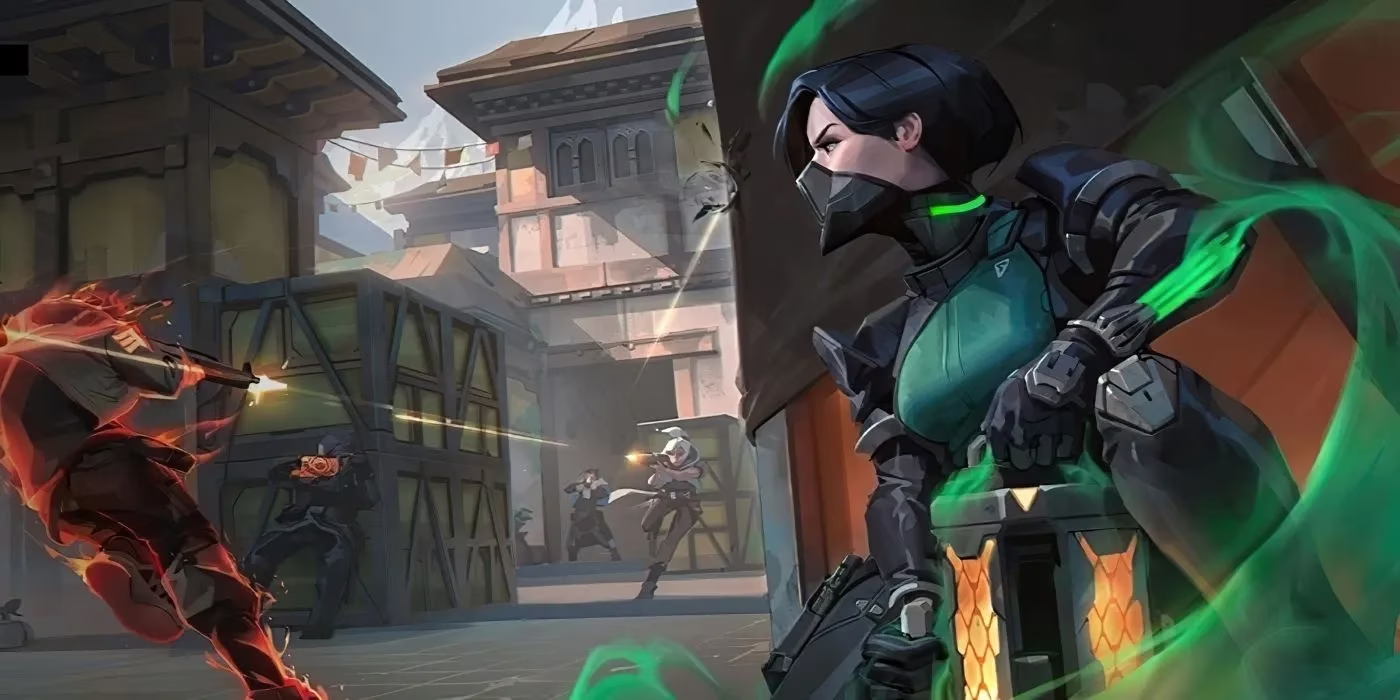
Over in Valorant, Riot Games took a famously aggressive stance from day one with its Vanguard anti-cheat system. Remember the controversy? People called it invasive because it runs at the kernel level of your PC. But the idea was to create a fortress. Fast forward to now, and despite Vanguard's efforts, there's been a noticeable and frustrating rise in cheaters slipping through. It proved that even the strongest walls need constant reinforcement.
So, we had two giants with the same headache but different medicine. Bungie was sending out cease-and-desist letters, while Riot was literally hiring spies to infiltrate cheat developer forums! But the cheats kept coming... why?
The Common Enemy: GatorCheats
Here's where the story gets wild. Investigations by both companies led them to the same shocking discovery: a major supplier was fueling the cheat economies for both games. Enter GatorCheats, run by an individual named Cameron Santos.
This wasn't some small-time operation. According to the legal filings, GatorCheats was raking in "tens or hundreds of thousands of dollars" by selling two specific products:
| Cheat Software | Target Game | Claim on Website |
|---|---|---|
| "Gatorant" | Valorant | Marketed as "undetected" by Riot's Vanguard system. |
| "Destiny 2 Cheats" | Destiny 2 | Offered wallhacks, aimbots, and other mods for Trials. |
When Bungie first sent a cease-and-desist, Santos shut down the public website. Game over, right? Wrong. He allegedly went underground, using private channels like Telegram and Discord to continue supporting customers who had already purchased the Destiny 2 cheats. This blatant disregard showed that taking down a website wasn't enough. You had to take down the person behind it. Riot, seeing this pattern, reasonably assumed the same was happening for "Gatorant," leading to this powerful joint lawsuit.
Why This Joint Lawsuit is a Game-Changer 🚀
Think about it—when was the last time you saw two rival gaming studios team up like this? It's practically unheard of! This isn't just about one cheat program; it's a strategic strike with huge implications.
-
It Hits the Money. Lawsuits seek damages and permanent injunctions. This directly attacks the financial incentive for creating cheats. If distributors know they could face crippling legal fees and judgments from multiple billion-dollar companies, it becomes a much riskier business.
-
It Sets a Legal Precedent. This case sends a thunderous message to the entire cheat development underworld: studios are willing to pool resources and legal firepower. You're not just up against one company's lawyers anymore.
-
It Protects the Community. We, the players, are the real winners here. Every distributor taken down means fewer cheats in circulation, leading to fairer matches and a healthier competitive environment for everyone.
The Future of Fair Play: What Can We Expect?
As we look ahead in 2026, this lawsuit feels like a turning point. Here's what I hope (and think) will happen next:
-
More Collaborative Efforts: Could we see other studios form similar alliances? Imagine a coalition against MMO gold sellers or aimbot rings in other shooters.
-
Evolving Anti-Cheat Tech: Legal action is a blunt instrument. I expect both Bungie and Riot to double down on technological solutions—smarter AI detection, better behavioral analysis, and perhaps even more secure kernel systems (hopefully with less controversy this time!).
-
A Shift in Player Mindset: The ultimate goal is to make cheating culturally unacceptable. When the community and the developers are this united against it, it marginalizes the cheaters even further.
So, what's the takeaway for us, the players? Keep reporting suspicious activity! Your reports provide crucial data. Support the developers when they make bold moves like this. The fight isn't over, but seeing Bungie and Riot lock arms against a common foe gives me so much hope for the future of our favorite games. Here's to cleaner, fairer, and more fun matches for all of us Guardians and Agents out there! ✨