
The gaming world is no stranger to high-profile talent migrations, but some moves still manage to raise eyebrows and spark a flurry of speculation. The recent transition of Joe Ziegler, the former director of Riot Games' tactical FPS powerhouse Valorant, to the legendary halls of Bungie is one such intriguing development. Ziegler, the visionary who initially pitched and shepherded Valorant from a concept to a global phenomenon with a player base soaring around 15 million, has officially confirmed his "new home" at the studio behind Destiny. This shift marks a significant chapter for both the developer and the industry at large, as a mastermind of a premier live-service shooter plants his flag in a new creative territory.
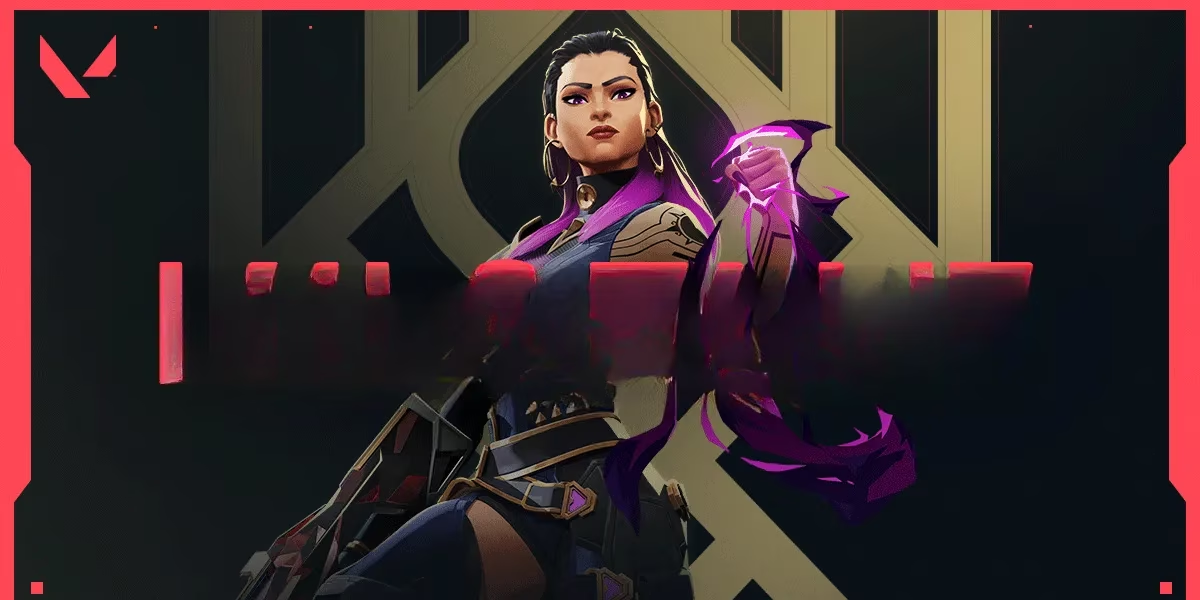
The Architect of a Tactical Titan
Joe Ziegler's legacy at Riot is inextricably linked to Valorant. His journey began not with a mandate, but with a brainstorming session. 🤔 Pondering what Riot could create beyond its monolithic hit, League of Legends, Ziegler and a cadre of designers theorized a shooter that could bridge a critical gap. His aspiration was audacious yet clear: forge a tactical shooter that was simultaneously welcoming to greenhorns and deep enough for the esports elite, all while leveraging Riot's formidable expertise in live-service game operations. The result was Valorant, a title that successfully blended precise gunplay with character-based abilities, carving out a massive and dedicated community.
While the game's success is undeniable, its path wasn't without hurdles. Players have consistently voiced concerns over two primary issues:
-
Toxic Behavior: Widespread reports of misogynistic and generally toxic male players have been a persistent stain on the community experience.
-
Anti-Cheat Intrusiveness: The Vanguard anti-cheat software, while effective, has raised eyebrows and privacy concerns due to its deep system access, making some users wary about their personal data.
Despite these community management and technical quandaries, Ziegler's core vision was unequivocally realized. The game's colossal and sustained popularity is a testament to that success.
A Surprising Departure and an Ambiguous Arrival
Given Valorant's triumphant status, Ziegler's announcement at the end of 2021 that he was stepping down from his directorial role sent ripples through the community. Where does the captain go after successfully launching the ship? The answer, we now know, is Bungie. In a characteristically understated update, Ziegler took to social media to announce his new beginning, expressing his hope to bring new "stuff" to players. 🎮
That deliberate choice of the vague word "stuff" over more concrete terms like "Destiny content" or "new projects" has fueled the rumor mill. It strongly suggests he may not be shepherding existing Destiny expansions but is instead diving into something fresh. This aligns perfectly with longstanding industry whispers about Bungie incubating new IPs, including a rumored third-person shooter project. Ziegler's Twitter bio listing him as a "Game Director" at Bungie all but confirms he will be in a leadership role for this mysterious new endeavor.
| Aspect | At Riot Games | At Bungie (Speculated) |
|---|---|---|
| Primary Project | Valorant (First-person Tactical Shooter) | New IP / Third-person Shooter |
| Role | Game Director | Game Director |
| Legacy | Built a 15M+ player live-service hit | To be determined... |
| Core Challenge | Making hardcore tac-shooters accessible | Potentially evolving the looter-shooter or action genre |
What Ziegler Brings to the Table
Bungie isn't just hiring another director; they're acquiring a specific and highly relevant set of experiences. Ziegler's 12-year tenure at Riot, culminating in the creation of Valorant, has armed him with a unique toolkit:
-
Live-Service Mastery: He understands the relentless, ever-evolving nature of games-as-a-service—the seasons, the battle passes, the meta-shifts, and community management required to keep millions logged in.
-
Competitive Integrity: Crafting a game that could instantly support a professional esports scene requires a meticulous balance between skill expression and spectator appeal.
-
F2P Model Expertise: Launching and sustaining a major free-to-play title involves deep knowledge of player onboarding, monetization through cosmetics, and maintaining a fair playing field.
His departure has clearly not hindered Valorant, as Riot has continued to push major updates and even secured a landmark integration with Xbox Game Pass. Meanwhile, the enthusiastic fan response to his move—thousands of likes and supportive comments within hours—shows the goodwill and high expectations following him.
The Road Ahead: Speculation and Expectations
While Ziegler initially hinted he would remain close to the Valorant development team after stepping down, his leap to Bungie clearly signals a full and exciting new chapter. The big question now is: what is this "stuff"? 🧐
If the rumors are true and he is helming Bungie's next big thing—potentially that third-person shooter—the implications are thrilling. Could we see a fusion of Bungie's unparalleled expertise in creating compelling worlds and loot-driven progression with the tight, tactical gameplay and service model sophistication Ziegler mastered at Riot? The prospect of a game that has the strategic depth of a tactical shooter but the expansive, persistent world of a Destiny is a tantalizing thought for any player.
The gaming landscape in 2026 is more competitive than ever, and studios are in a constant arms race for top talent and the next big idea. Joe Ziegler's move from Riot to Bungie isn't just a personnel change; it's a transfer of philosophy and a bold bet on the future. Fans of both studios will be watching closely, eager to see if the mind that built one FPS phenomenon can help architect another, possibly in a completely new perspective. One thing seems certain: wherever Joe Ziegler goes, innovative and player-focused "stuff" is sure to follow. ✨
As the gaming community waits in anticipation for what Joe Ziegler and Bungie will deliver next, staying informed and connected with the latest developments becomes crucial. Gamers are always on the lookout for platforms that offer insightful analysis and community-driven discussions about upcoming titles and industry shifts. For those eager to dive deeper into the world of gaming news and updates, Lootbar provides a comprehensive resource. With its focus on in-depth articles and gaming culture, Lootbar is an excellent place to explore what might be on the horizon for Bungie and other innovative studios.
Whether you're a fan of tactical shooters, looter-shooters, or any genre in between, platforms like Lootbar can enhance your gaming experience by keeping you informed about the industry's latest trends and evolutions. As studios like Bungie continue to push boundaries and rethink genres, having access to diverse perspectives and expert opinions is invaluable. Visit Lootbar to stay ahead of the curve and engage with fellow enthusiasts who share your passion for cutting-edge gaming.