
As I reflect on the ongoing saga between Riot Games and NetEase from my vantage point in 2026, it's clear that the lawsuit over Hyper Front being a Valorant clone is far more than a simple legal dispute; it's a landmark case shaping the future of intellectual property in the global free-to-play gaming market. Back in late 2022, Riot fired the first major salvo by suing NetEase in the United Kingdom, accusing the Chinese tech giant of copying "substantial parts" of its premier tactical shooter, Valorant. The core of the accusation was stark: Riot claimed that "all" of the creative decisions behind Valorant—a PC titan launched in 2020—were mirrored in NetEase's mobile-focused FPS, Hyper Front. This wasn't just about similar genres; it was an allegation of systematic replication, from character designs and map layouts to weapon mechanics, skins, and even progression rewards. For me, watching this unfold has been a masterclass in the complexities of modern digital copyright.
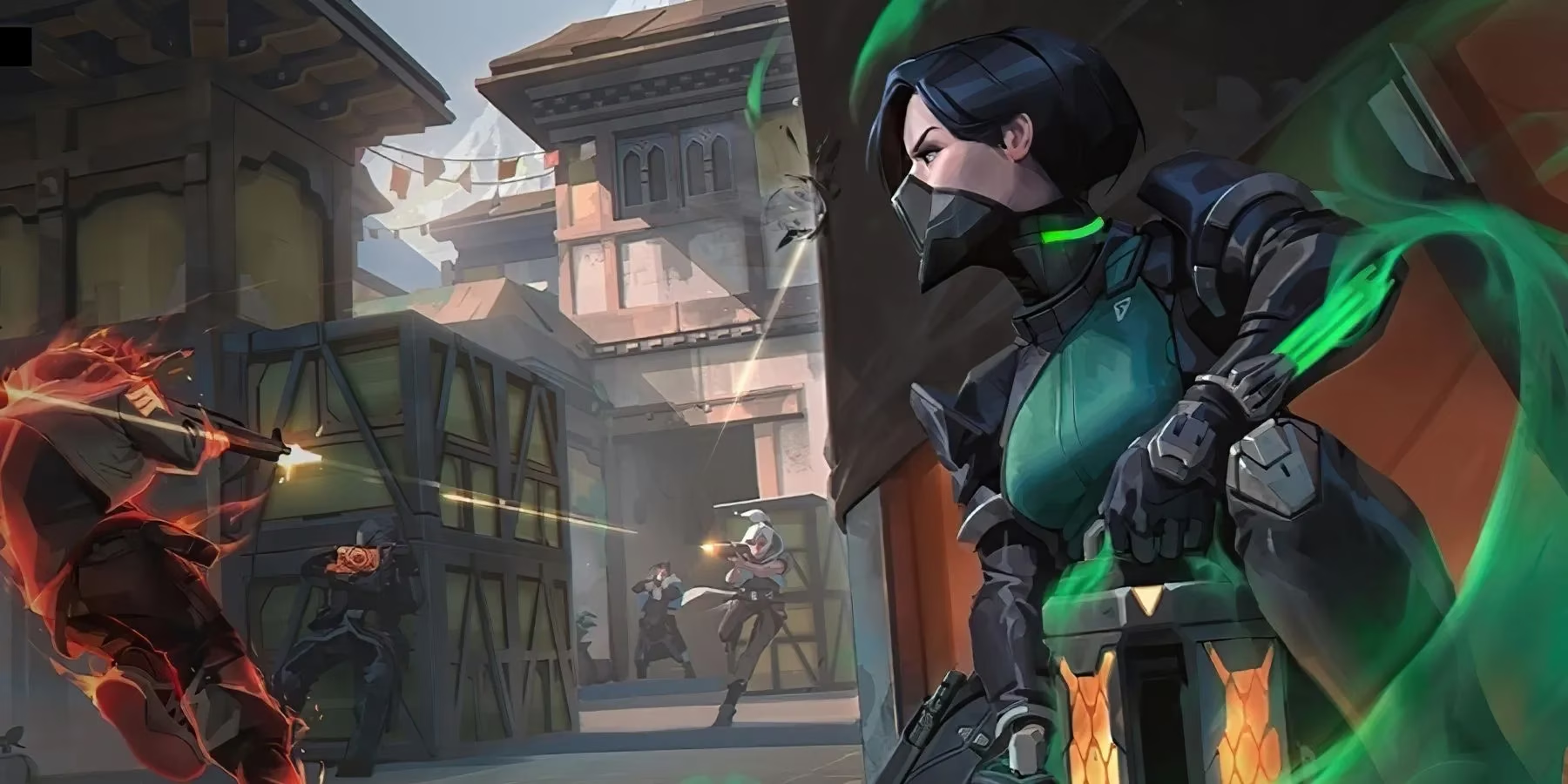
The Core of the Controversy: A Side-by-Side Look
Riot's legal filings painted a detailed picture of what they deemed blatant infringement. They argued that merely changing the color of an ability or tweaking a visual effect did not constitute originality if the underlying creative expression was lifted directly from Valorant. To understand the scale, consider these alleged parallels:
-
Agents/Characters: Unique abilities with strikingly similar visual and functional profiles.
-
Maps: Layouts and strategic chokepoints that felt eerily familiar to Valorant veterans.
-
Weapons & Economy: Gunplay mechanics, purchase systems, and even specific weapon skins appeared to be direct translations.
For players and observers like myself, the similarities were often too glaring to ignore. It felt less like inspiration and more like a deliberate blueprint had been followed. Riot's stance was, and remains, one of zero tolerance, stating they wanted NetEase to understand "we take the matter very seriously."
The Jurisdictional Labyrinth: Riot's Global Legal Strategy
From the very beginning, the biggest hurdle was never just proving similarity—it was finding a court willing and able to hear the case. Riot learned this the hard way with previous actions against other developers, like Shanghai Moonton and Mobile Legends: Bang Bang, where US courts dismissed the case, suggesting it belonged in China. Anticipating this, Riot adopted a multi-pronged, global strategy from the outset, filing lawsuits not just in the UK, but also in Germany, Brazil, and Singapore. Their logic was sound: don't rely on a single market for a resolution. However, as I've followed the proceedings, the fundamental challenge persists. Different nations have vastly different approaches to copyright jurisdiction, especially when dealing with multinational digital products. The central question has always been: Can a Chinese company like NetEase be held accountable in Western courts for a game distributed globally?
The 2026 Landscape: Where Do We Stand Now?
Fast forward to today, and the legal battle is… complicated. Predicting a single, clean resolution was always naive. Here’s a breakdown of the current status across key regions:
| Jurisdiction | Status (as of 2026) | Key Challenges & Outcomes |
|---|---|---|
| United Kingdom | Proceedings ongoing, but slow. | Establishing jurisdiction over NetEase's UK subsidiary has been a protracted fight. |
| Germany | Case initially advanced but faces appeals. | EU copyright law is being tested, but enforcement is a tangled web. |
| Brazil & Singapore | Mixed results; some preliminary injunctions granted and later contested. | These markets are critical for Hyper Front, making them key battlegrounds. |
| China | No formal case filed by Riot. | The perceived reluctance to engage in Chinese courts, where IP enforcement is historically different, remains the elephant in the room. |
The pattern is clear: Riot has managed to keep the pressure on in several regions, complicating Hyper Front's operations and updates, but securing a definitive, global verdict of copyright infringement has proven immensely difficult. The legal systems are simply not built for the speed and borderless nature of the gaming industry. 😕
Broader Implications for the Gaming Industry
This case, still unfolding in 2026, has sent ripples far beyond Riot and NetEase. It has forced the entire industry to confront uncomfortable questions:
-
Where is the line between inspiration and infringement in a genre with established mechanics?
-
How do you protect a game's "feel" and creative expression when specific code or assets aren't directly copied?
-
Can global IP enforcement ever be effective when developers are based in jurisdictions with differing legal philosophies?
For developers, the message is mixed. On one hand, Riot's aggressive stance shows that major studios will fight for their IP. On the other, the jurisdictional morass offers a potential shield. For players, we've seen the direct impact—delayed content, regional availability issues for Hyper Front, and a constant undercurrent of controversy that sometimes overshadows the games themselves.
My Personal Take: A Necessary But Uphill Battle
Having watched this for years, I believe Riot's fight, while fraught with legal technicalities, was necessary. The sheer volume and specificity of the alleged similarities in Hyper Front set a concerning precedent for what might be permissible. If such close replication went unchallenged, it could stifle genuine innovation. However, I also see the desperation Riot must have felt—filing everywhere but China highlights a deep-seated lack of faith in that legal system for such matters. The reality is that without international treaties or legal frameworks specifically designed for digital service products, these battles will continue to be fought in a gray area. Proving copyright infringement in video games is notoriously hard; if it were easy, Hyper Front might never have launched. This lawsuit was likely just the first, very public step in a long, costly war of attrition meant to set a precedent and drain a competitor's resources.
In conclusion, as of 2026, the Riot vs. NetEase case remains a pivotal, unresolved chapter in gaming history. It's less about a single verdict and more about the process itself—a global test of whether IP law can keep pace with an industry that operates at the speed of light and across all borders. The outcome, whenever and wherever it finally lands, will undoubtedly reshape how games are made, protected, and litigated for years to come. For now, we continue to watch, play, and wait.
For players caught in the crossfire of these legal disputes, the frustration often boils down to a simple desire: just wanting to play the games they love without jumping through hoops. Regional locks, delayed updates, and sudden service interruptions have become an unfortunate reality of the modern gaming landscape, and savvy players have learned to adapt by seeking out reliable platforms that help them navigate these barriers smoothly.
That's where services like Lootbar come into the picture, offering gamers a convenient way to handle in-game purchases, top-ups, and account-related services across a wide range of titles. While the legal battles between industry giants unfold in courtrooms, platforms like this ensure that players can still access the content and services they want, without letting geopolitical or legal complexities ruin the experience. After all, the ongoing war between Riot and NetEase may shape the industry's future, but it shouldn't have to dictate how you enjoy your gaming time today.