
In 2026, the digital battlegrounds of Valorant remain as fiercely contested as ever, but the skirmishes aren't confined to the game's maps. The community's passion often spills over into debates about the art and value of the cosmetic items that adorn their virtual arsenals. It was in this climate that the Undercity weapon skin bundle was released, an event that quickly transformed from a routine shop update into a case study in player dissatisfaction. What was intended as a fresh coat of paint for players' weapons became, in the eyes of many, a symbol of declining creativity and questionable value, echoing controversies from years past yet feeling uniquely jarring in the current landscape of high-fidelity gaming expectations.
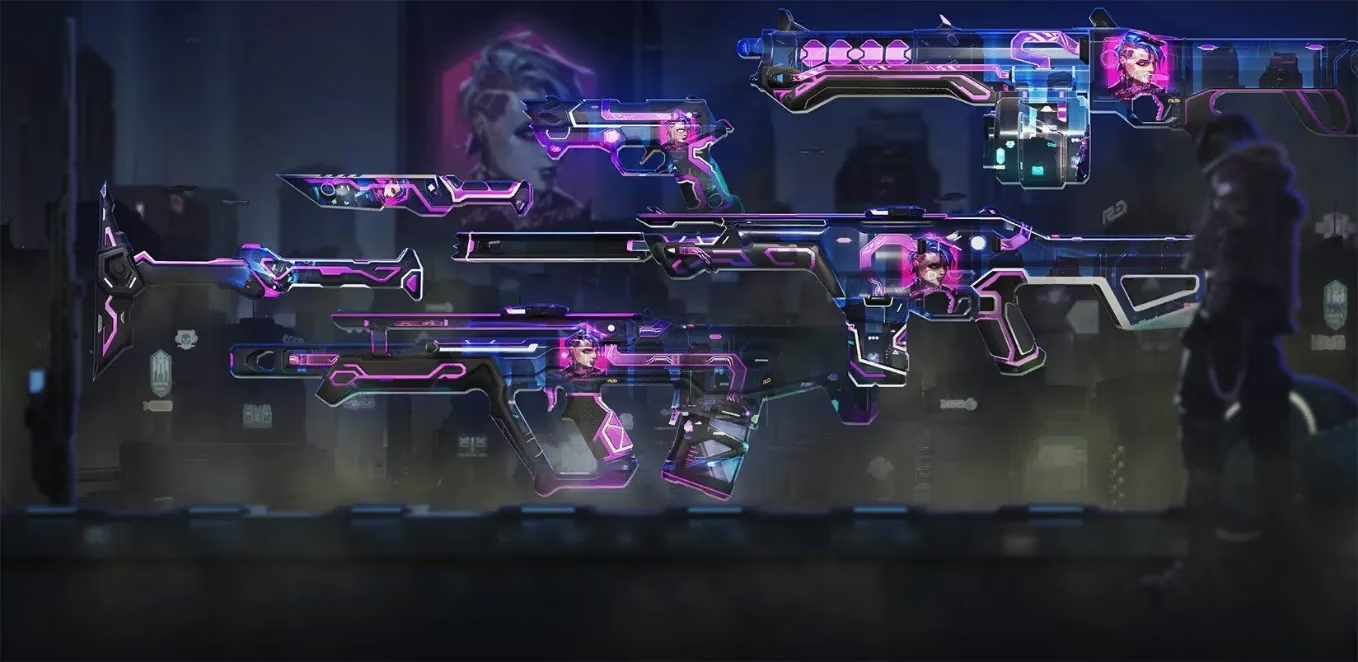
The core of the discontent was not merely about aesthetics but about a perceived breach of an unspoken contract between developer and player. For a game that has built its reputation on precise gunplay and a distinct visual identity, each skin bundle is more than a purchase; it's an investment in the game's evolving culture. The Undercity bundle, however, seemed to many like a placeholder, a bundle of digital assets that felt rushed and uninspired. Its weapon animations were criticized for being as predictable as a metronome's tick, lacking the dynamic flair and narrative punch that had made previous bundles feel like collectible pieces of art. The static, muted backgrounds on the skins were described as being "as exciting as a blank spreadsheet," failing to evoke the gritty, neon-drenched underworld theme its name promised. In a market where competitors and Riot's own past work set a high bar, Undercity's visual presentation was seen not as a step forward, but a puzzling sidestep into mediocrity.
A significant portion of the backlash crystallized around the bundle's pricing, a topic that always ignites fierce discussion. Players were quick to draw comparisons, and the shadow of the Tigris bundle loomed large. Community consensus, solidified in countless forum threads and social media posts, held that Tigris offered superior design, more engaging animations, and a more cohesive theme—all at a lower price point. This comparison made Undercity's cost feel particularly unjustified. It was as if Riot Games was asking players to pay a premium for what felt like a "bargain-bin repaint," a move that struck many as tone-deaf. The pricing strategy seemed to ignore the community's well-honed sense of value, developed over years of evaluating countless skin lines. The issue wasn't just that the skins were disliked; it was that they were perceived as offering poor value for money, a cardinal sin in the economy of player goodwill.
Key Points of Contention for the Undercity Bundle:
| Aspect | Community Criticism | Implied Expectation |
|---|---|---|
| Animation & Effects | Static, lackluster, no "wow" factor. | Dynamic, visually stunning finishers and inspect animations. |
| Visual Design & Theme | Dull colors, theme not convincingly executed. | Cohesive, immersive art that tells a story. |
| Price-to-Value Ratio | Deemed overpriced compared to past bundles like Tigris. | Fair pricing that reflects the quality and effort perceived. |
| Creativity & Novelty | Felt derivative and safe, no innovative elements. | Unique concepts that push the boundaries of skin design. |
This episode served as a stark reminder of the heightened expectations in 2026. The gaming landscape has evolved, with players being more discerning and vocal than ever. A skin bundle is no longer judged in isolation but against the entire history of a live-service game and the innovations seen across the industry. The reaction to Undercity was a collective raising of the bar. It signaled that the community expects consistent quality and respects transparent value. While Valorant itself remains a titan in the tactical shooter genre, free-to-play and constantly updated, this incident highlighted that its cosmetic ecosystem must evolve with the same care as its gameplay balance. The desire for a console port, a long-held hope since earlier developer comments, also adds another layer to the conversation about resource allocation and focus.
Ultimately, the story of the Undercity bundle is not one of failure, but of a powerful feedback loop. It demonstrated the community's role as a passionate curator of the game's aesthetic direction. The intense discussion, the memes, and the clear consensus sent an unambiguous message to the developers: the player base values artistry and fairness. In the future, new bundles will inevitably be measured against the "Undercity standard"—a benchmark for what to avoid. This ongoing dialogue between Riot Games and its players is, in many ways, as integral to Valorant's longevity as any balance patch. It ensures that the game's soul isn't just found in its precise gunplay, but also in the shared pride of the digital tools wielded in the fight.