
As of 2026, Riot Games' tactical first-person shooter, Valorant, continues to demonstrate remarkable longevity and relevance within the competitive gaming landscape. Initially launched in 2020 with immense hype generated through a strategic Twitch promotion, the game has successfully transitioned from a viral phenomenon to a mainstay in the esports arena. Its core formula—a 5v5 character-based shooter emphasizing strategic ability usage, precise gunplay, and map control—has proven to be a durable foundation. The continuous introduction of new agents, maps, and game modes, coupled with a robust competitive scene, has ensured the title remains a dominant force, defying the typical lifecycle trends of online multiplayer games.
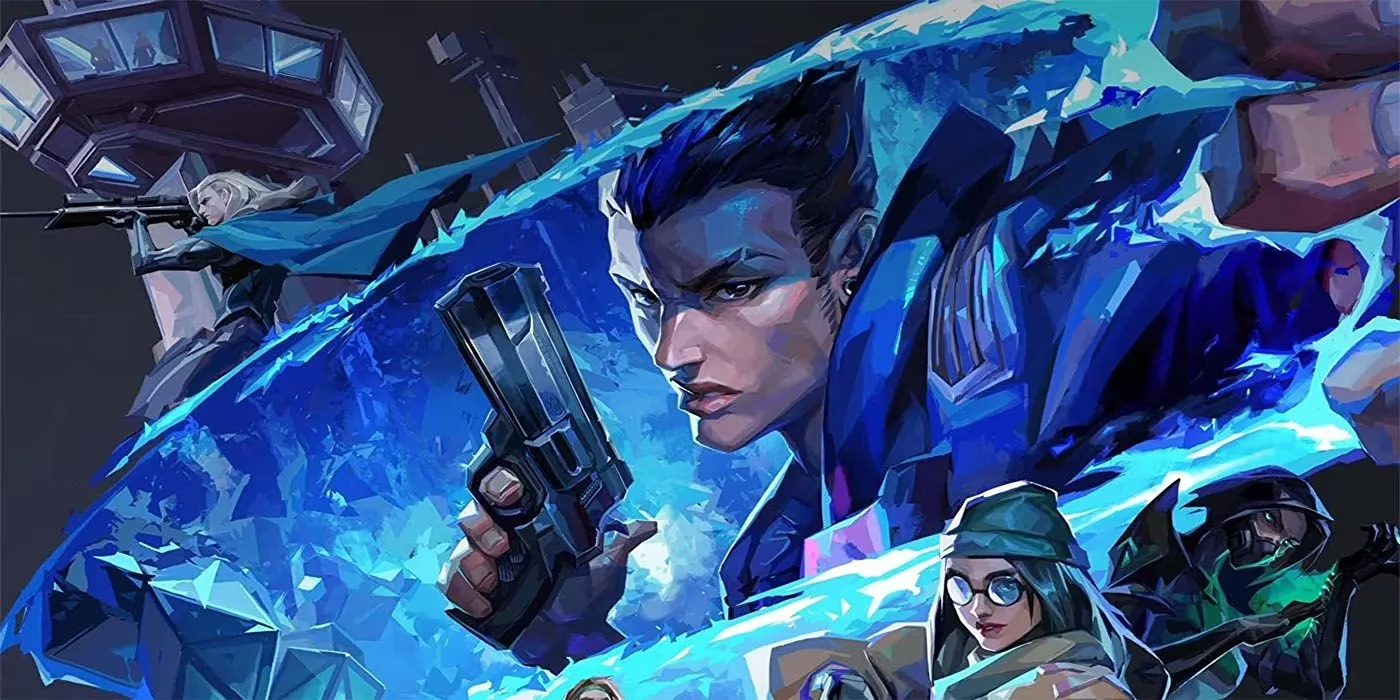
The Enduring Core Gameplay and Agent Roles
The tactical shooter's heart lies in its diverse roster of agents, each belonging to one of four distinct roles that define team composition and strategy. These roles have been refined and expanded upon since the game's inception:
-
Duelists: The primary entry fraggers designed to secure opening kills and create space for their team. Agents like Yoru and Phoenix excel in aggressive plays.
-
Controllers: Specialists in area denial and vision control. They utilize smokes and other utilities to slice up the map, controlling sightlines and limiting enemy movement. Viper is a quintessential example.
-
Initiators: The combat starters who set up their team for success. They use flashes, recon tools, and crowd control abilities to breach defended sites and gather crucial information. Sova's recon bolt is a classic initiator tool.
-
Sentinels: The defensive anchors and information gatherers. They lock down areas, provide defensive utility, and gather intel on enemy positions. Killjoy's turrets and alarmbots perfectly embody this role.
The synergy between these roles is paramount for elite team play. Successful execution requires not just individual skill but coordinated ability usage to dominate one of the game's numerous, strategically designed maps.
Gauging the Player Base: Metrics and Momentum
Riot Games has maintained its policy of not disclosing official, real-time player counts, a strategy that has persisted into 2026. Therefore, the vitality of Valorant's player ecosystem is assessed through alternative metrics, primarily viewership data and community engagement. The last official figure released was in May 2020, citing a staggering 3 million daily players. Analysts and industry observers now rely on a composite of indicators to gauge health.
Live-streaming platforms, especially Twitch, serve as a critical barometer. Historical data showed a peak during the 2020 beta promotion, a subsequent dip, and then a steady resurgence driven by esports. This pattern has solidified. In 2026, Valorant consistently ranks among the top 10 most-watched categories on Twitch, often seeing average concurrent viewership in the hundreds of thousands during major tournaments and popular streamer broadcasts. This sustained viewership is a strong proxy for a healthy and engaged player base, suggesting that interest has not only stabilized but grown.
The Esports Engine: Fueling Growth and Engagement
The correlation between competitive play and player engagement is undeniable. Riot Games, leveraging its extensive experience from League of Legends, has masterfully built Valorant's esports ecosystem. The establishment of premier international leagues like the VCT (Valorant Champions Tour) has created a consistent, high-stakes narrative that captivates audiences.
-
Tournaments as Content Drivers: Major events like Valorant Champions and Masters tournaments generate massive viewership spikes, introducing the game to new audiences and re-engaging lapsed players.
-
Path-to-Pro Ecosystem: Regional challenger circuits and game mode innovations provide accessible competitive avenues for aspiring professionals and casual players alike.
-
Community Involvement: Co-streaming, interactive watch parties, and in-game rewards for viewing have deepened the connection between the esports spectacle and the everyday player experience.
This structured competitive framework has been instrumental in reversing any post-launch slump and establishing a virtuous cycle: exciting esports content attracts viewers, many of whom become players, which in turn strengthens the competitive talent pool and viewership.
Looking Ahead: Valorant's Future Trajectory
As of 2026, Valorant's future appears robust. Riot's commitment to regular content updates—introducing new agents with unique mechanics, expanding the map pool, and balancing the meta—keeps the gameplay experience fresh. The tactical shooter's accessibility, combined with a high skill ceiling, continues to attract a broad spectrum of players, from casual enthusiasts to dedicated competitors.
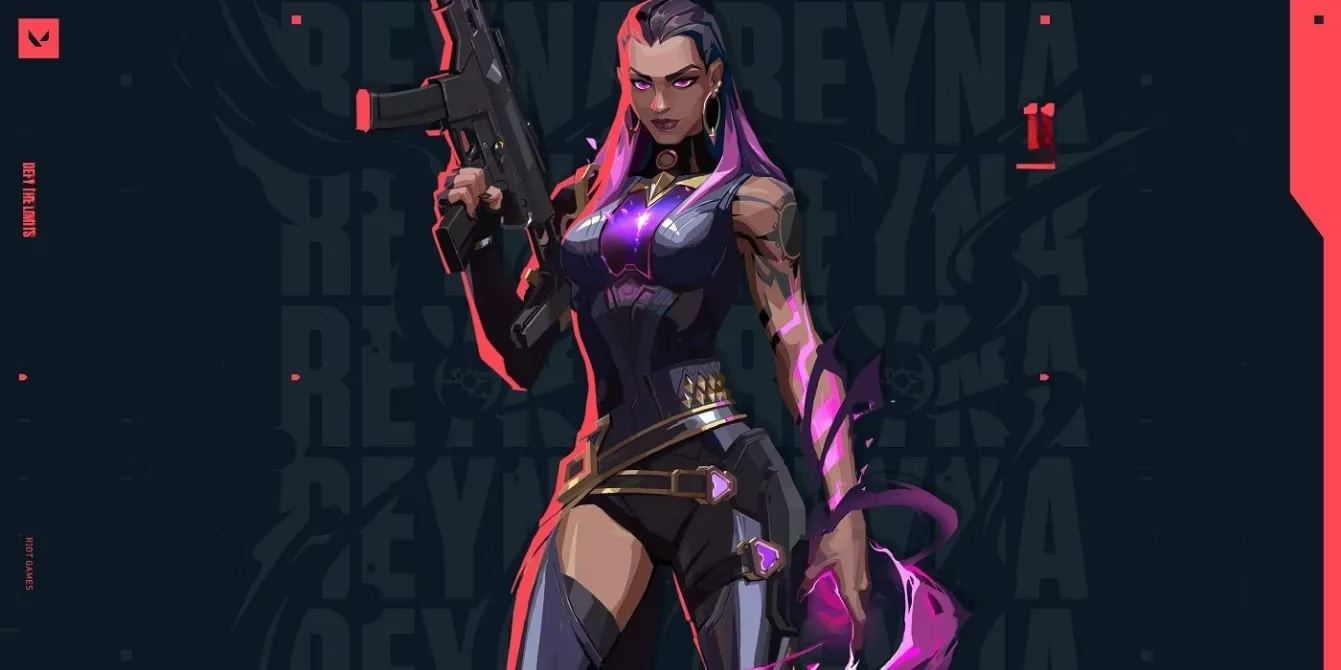
The game's success is a testament to a well-executed live service model. By listening to community feedback, actively supporting a competitive scene, and consistently delivering engaging content, Riot Games has ensured that Valorant is more than just a fleeting trend. It has cemented its place as a pillar of the tactical FPS genre. While exact player numbers remain a closely guarded secret, the vibrant streaming communities, packed tournament brackets, and active in-game servers all point toward a title that is not just surviving, but thriving. The initial hype has successfully been converted into lasting engagement, securing Valorant's position for years to come.