
Thinking about diving into Valorant but feeling overwhelmed by the different arenas? With new agents and strategies constantly emerging, understanding the map pool is more crucial than ever in 2026. While the core tactical shooter gameplay remains, each map offers a unique playground for your skills. Whether you're a strategic controller or an aggressive duelist, knowing the terrain is half the battle won. So, let's break down the current Valorant maps, ranked from the most challenging to the most versatile playgrounds for your next clutch play.
6. Breeze: A Sniper's Paradise (Or Nightmare?)
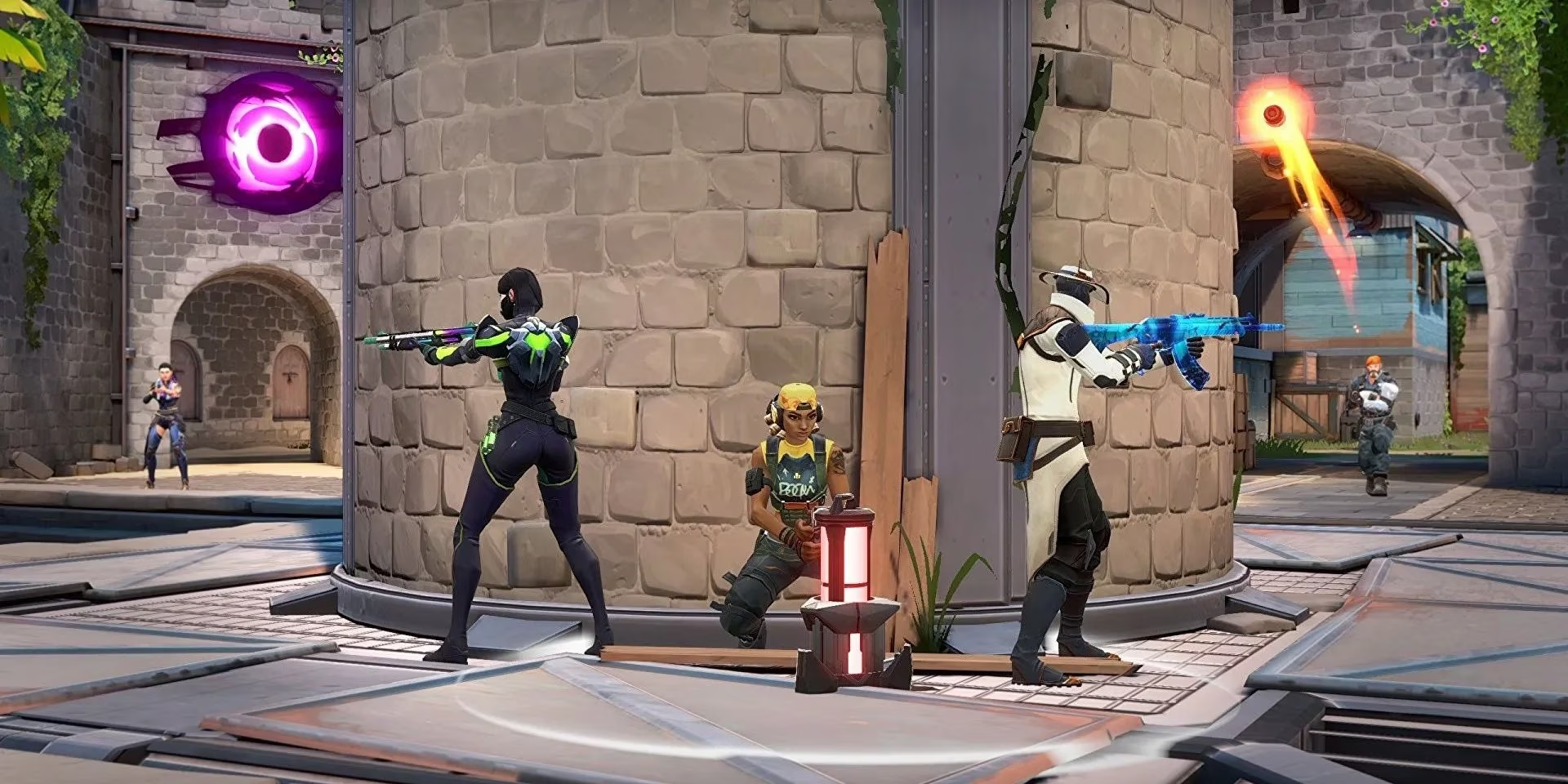
Breeze remains a polarizing map years after its release. Its defining characteristic? Space. And lots of it. Designed with wide-open areas and long sightlines, this map is an absolute gift for Operator enthusiasts. Agents can be spotted from a mile away, making precision and long-range duels king. However, this design is also its biggest weakness for many players.
-
Pros for Attackers: Both bomb sites (A and B) are relatively close to the attacker's spawn, allowing for quick, coordinated pushes.
-
Unique Mechanics: Features a door mechanism near A site and rope ladders to access elevated positions, adding verticality to the gameplay.
-
The Major Drawback: Excessive, often unused space. Large areas near the attacker spawn can feel empty, yet paradoxically encourage defensive camping strategies that rarely payoff against coordinated teams. This can lead to slower, more methodical rounds that test patience.
Verdict: Breeze demands a specific playstyle focused on long-range engagements and map control. It's less about close-quarter chaos and more about calculated, strategic positioning. Not everyone's cup of tea, but masters of the Operator can truly shine here.
5. Bind: Portal-Powered Pandemonium
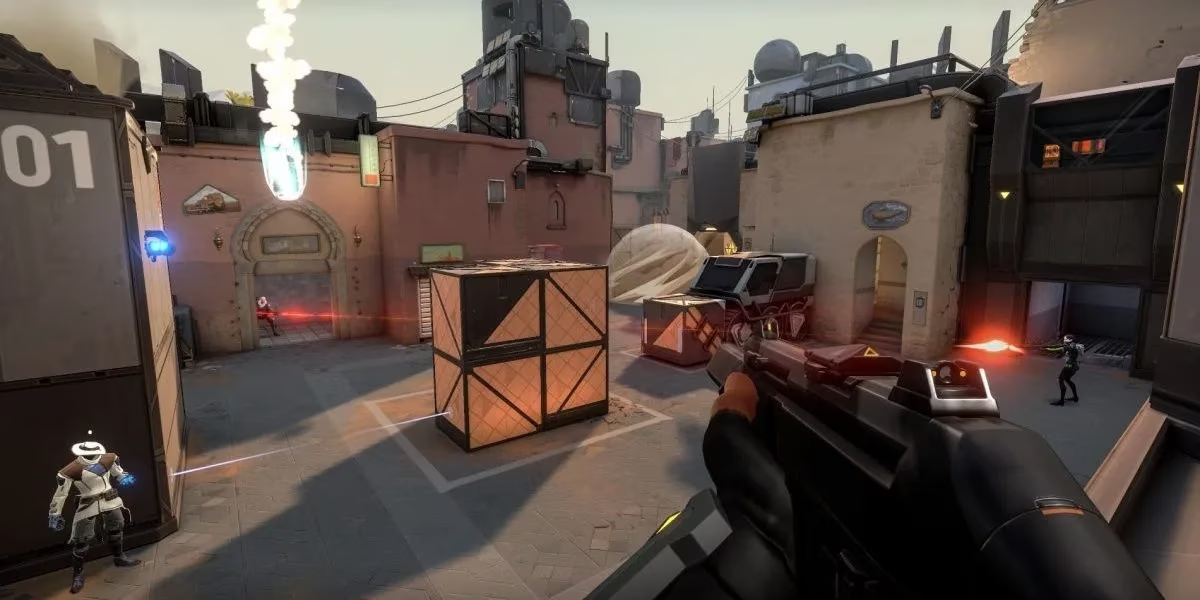
Bind holds a unique title: it's the only map featuring teleportation devices! These one-way portals connect the two sides of the map, allowing for lightning-fast rotations and unexpected flanks. For aggressive Duelists, this means unparalleled opportunities to hunt for picks. Got the spike and one site is heavily defended? A quick portal hop can reset the attack on the opposite site.
But wait, is it really that simple? Not quite. The major catch is audio. The loud, distinctive sucking sound of a teleporter is audible across the entire map, broadcasting your movement to every player. This turns every portal use into a high-risk, high-reward gamble.
-
Playstyle: Favors aggressive, unpredictable plays and quick rotations.
-
Layout Challenge: The map is known for its tight, long hallways (like the infamous A Short), which can easily bottle up an entire team if not properly managed with utility.
Verdict: Bind is chaotic, fun, and rewards creative thinking. However, the audio cue on teleporters adds a layer of counterplay that teams must master to avoid walking into ambushes.
4. Ascent: The Classic Door Game
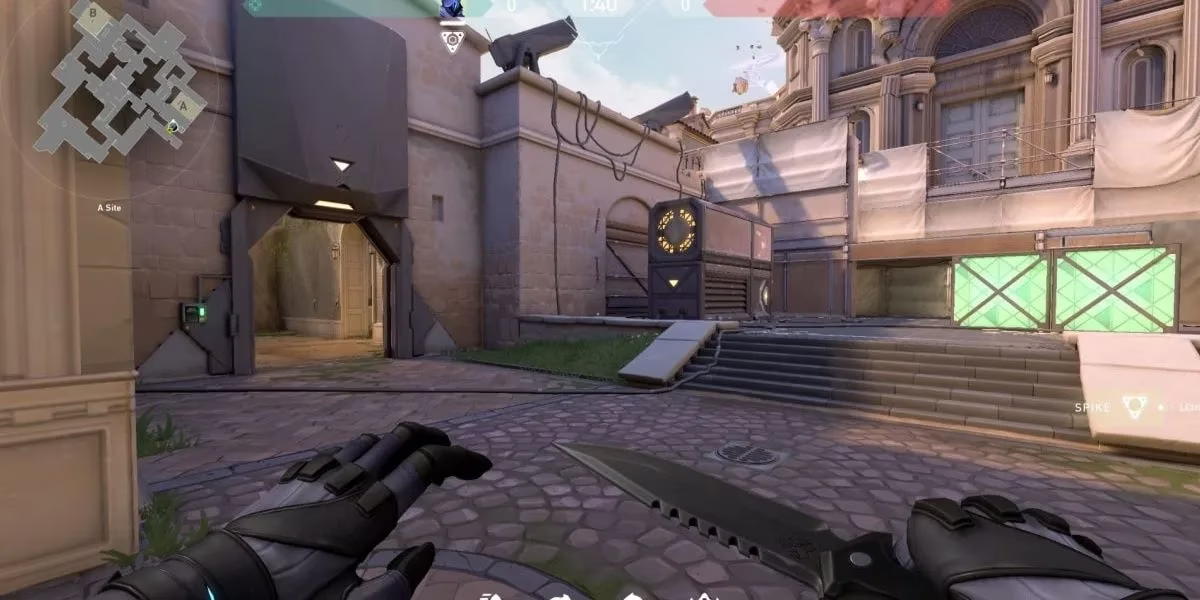
Ascent introduced Valorant players to the strategic depth of operable door mechanics. Each bomb site features a large, closable metal door that can completely alter the flow of a round. Defenders can shut a lane, forcing attackers to find another path or loudly shoot the door down, alerting the entire site to their presence.
This map is a dream for Duelists like Reyna or Phoenix. The tight corners and chokepoints leading to sites are perfect for blinding abilities (Leer, Curveball) followed by aggressive pushes. The map's design, while tight in lanes, allows for relatively quick and safe rotations between sites, preventing teams from getting easily trapped.
-
Key Feature: Mechanized doors on A Main and B Main.
-
Agent Synergy: Controllers and Duelists excel here by using utility to break through or hold the crucial chokepoints.
Verdict: Ascent is a balanced, tactical map that tests both team utility usage and individual dueling skill. It's a classic for a reason, providing a solid foundation for strategic Valorant play.
3. Icebox: Verticality and Flanking Routes
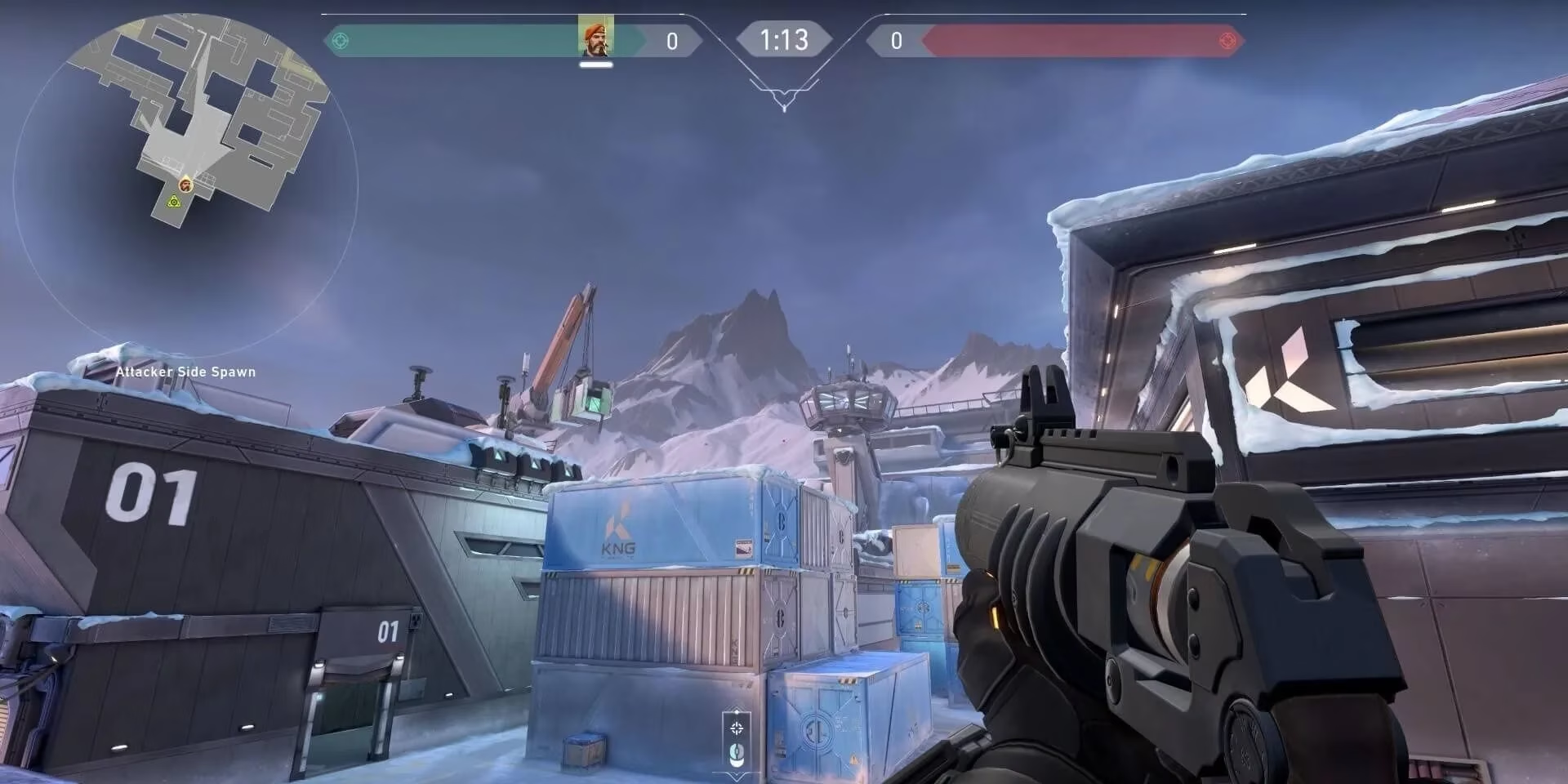
The first map added after launch, Icebox, brought a new dimension to the game: intense verticality. Packed with rope ladders and multiple levels on both sites, it forces players to constantly check every angle, including above and below. The middle of the map is a crucial battleground that can dictate the pace of the entire round.
While it lacks moving parts like doors or teleporters, its strength lies in its flanking potential. Defenders can often find clever routes to surprise attackers pushing a site. However, the cover on sites can sometimes feel inconsistent, leading to frustrating moments for both sides.
-
Unique Element: Features the game's only horizontal rope at A Site.
-
Playstyle: Encourages map control, especially mid, and aggressive use of vertical space. Sentinels like Killjoy or Cypher can set up powerful flank watches.
Verdict: Icebox is a dynamic map that punishes passive play. Success requires mastering its vertical spaces and maintaining constant awareness. It's a well-balanced arena that rewards adaptability.
2. Split: The Multi-Path Maze
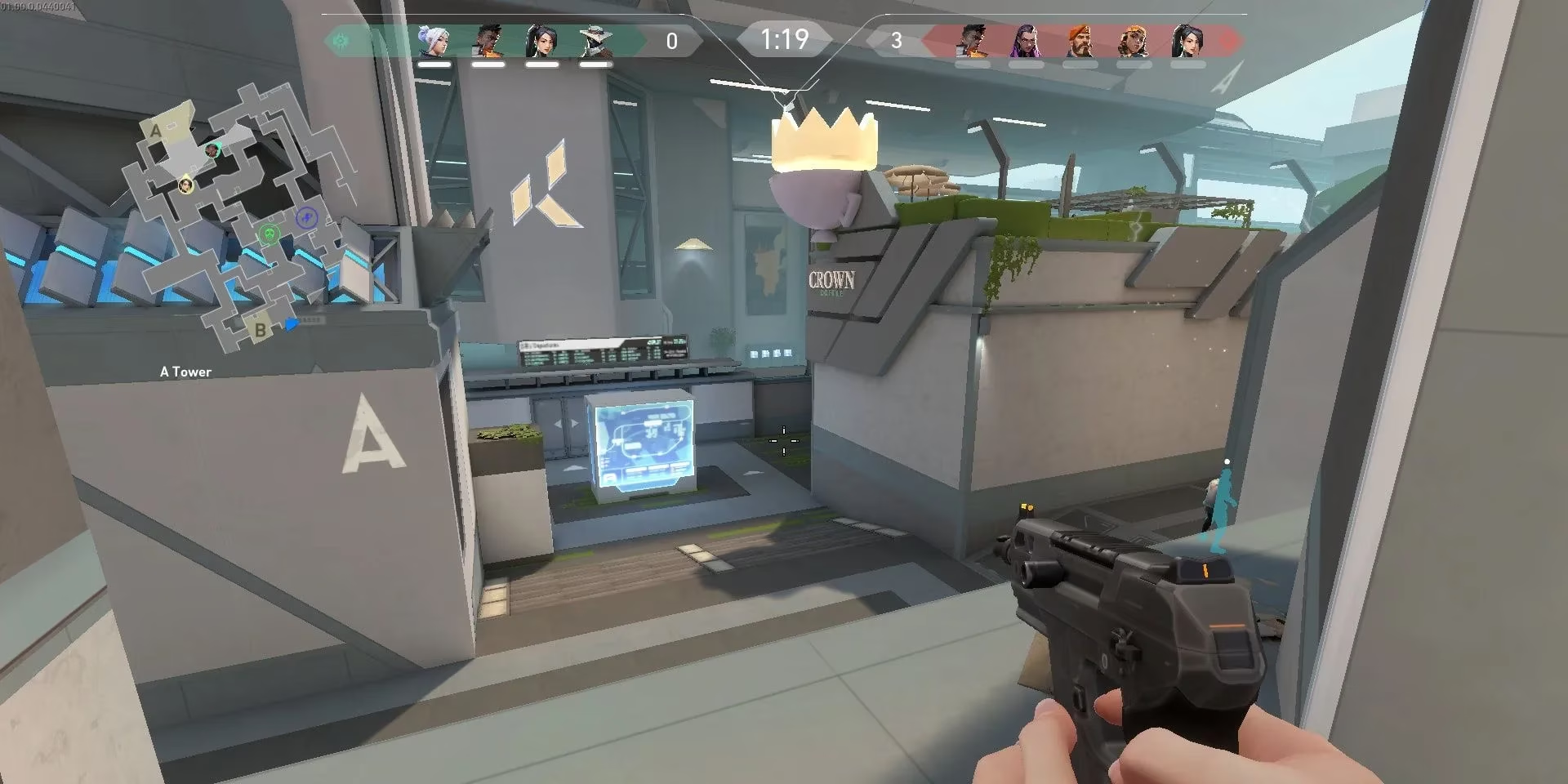
Do you love having options? Then Split is your map. It offers a wide variety of pathways to approach its two bomb sites. Attackers can push through Garage, fight for control of Mid and its overlooking "Heaven" position, or even take a secretive route through the sewers that connects Mid to the back of A Site for a sneaky flank.
This abundance of routes means defenders can't just sit and wait; they must be proactive and use information-gathering utility to avoid being spread too thin. Audio cues are critical on Split. The noisy rope ladders and the distinct splashing sound in the sewers are dead giveaways for rotating enemies.
-
Key Feature: The sewer pathway from Mid to A offers a strategic, roundabout rotation option.
-
Gameplay: Demands strong mid-control and intelligent use of sound to track enemy movements.
Verdict: Split is a tactician's delight. Its multiple avenues of attack foster creative strategies and require teams to be flexible and communicative. Controlling Mid is often the key to victory.
1. Haven: The Ultimate Three-Site Challenge
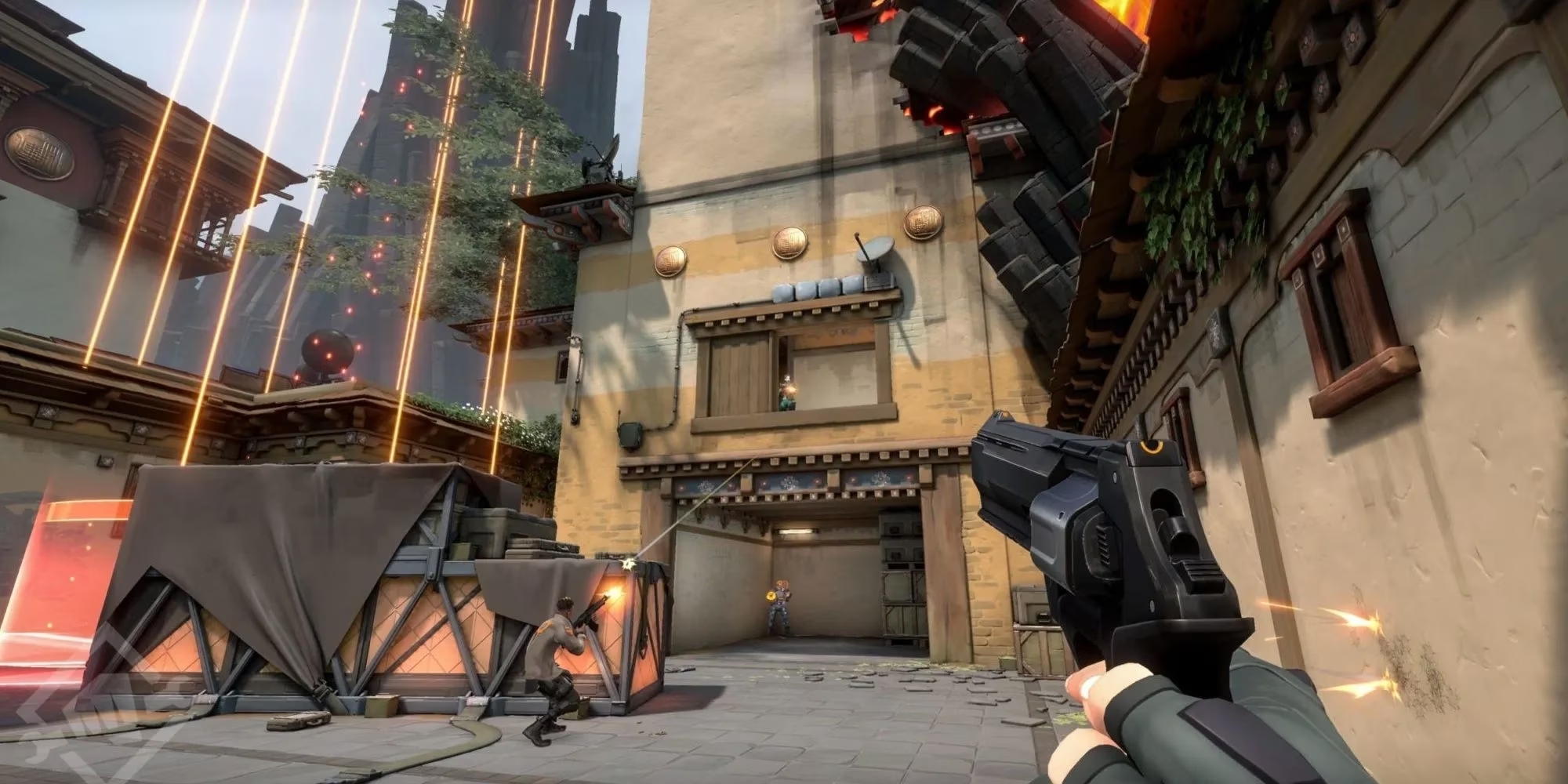
Topping the list is Haven, and for a good reason: it's the only map with three bomb sites (A, B, and C). This simple change creates a monumental shift in strategy. The attacking team inherently has a slight advantage, forcing the defending team to cover more ground and make constant risk assessments about where to stack their defense.
The map is vast and utilizes almost every corner, making agent abilities that gather information or hold space (like Killjoy's turret or Cypher's trips) incredibly valuable—they act like an extra teammate. However, Haven has one curious quirk: it still only has two Ultimate Orbs, unlike its three sites. This small detail adds an extra layer of resource management for players hungry for their ultimate abilities.
-
Why It's #1: The three-site layout creates the most dynamic and strategically diverse gameplay in Valorant. No two rounds play out exactly the same.
-
Agent Picks: Sentinels and Controllers are highly valued for their area denial and information-gathering capabilities.
Verdict: Haven is the pinnacle of Valorant's map design. It tests every aspect of a team's skill—communication, strategy, adaptability, and individual mechanics. It remains, even in 2026, the most played and most beloved map for offering unparalleled playability and endless strategic depth. Will we ever get another three-site map? Only time will tell!