
The introduction of Valorant's map, Lotus, in 2023 marked a significant evolution in the game's tactical landscape, serving as the second three-site arena after Haven. As of 2026, its design principles continue to influence the live service tactical FPS, demonstrating Riot Games' commitment to blending complex gameplay with rich, immersive aesthetics. Map designer Joe Lansford and his team embarked on creating Lotus not just as a new battleground, but as a narrative vessel and a testbed for innovative mechanics, responding directly to player desires for more fantastical visual experiences within the Valorant universe.
Visual Complexity and Player Accessibility
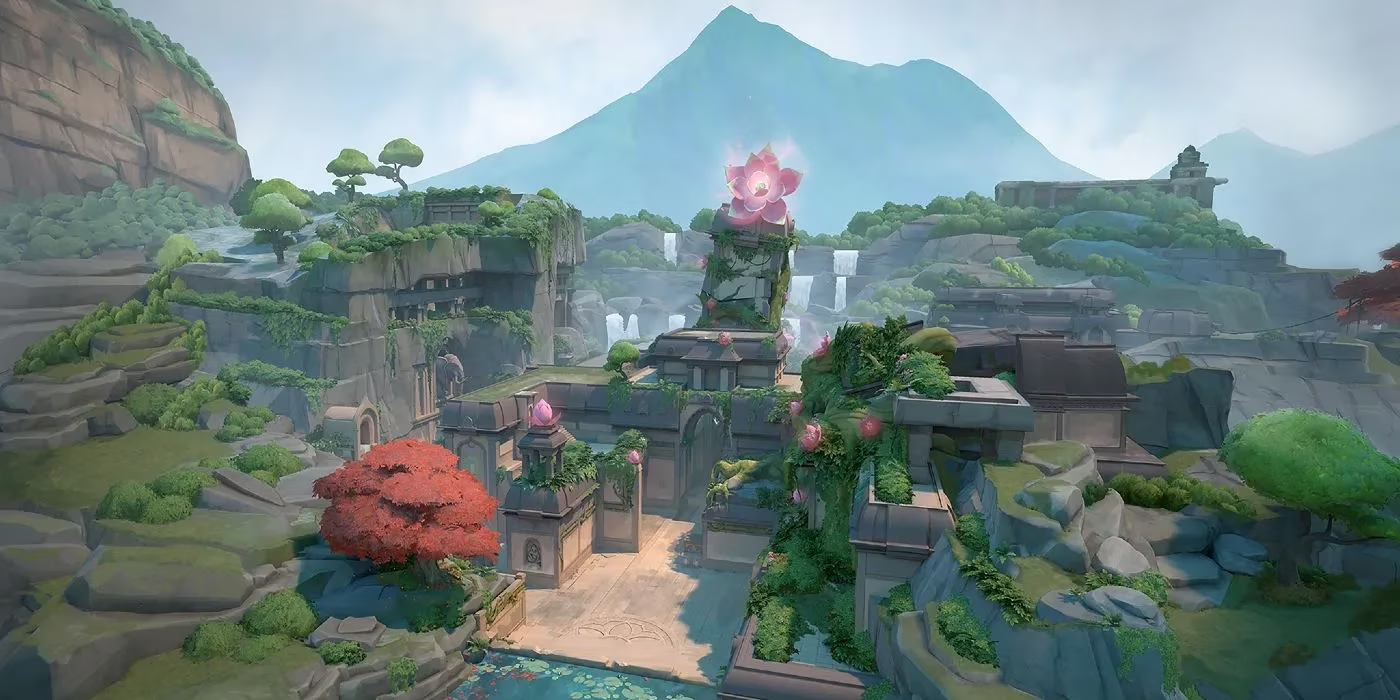
Lansford revealed that the stunning, fantasy-inspired art of Lotus was a direct response to consistent player feedback. Surveys and player labs indicated a strong desire for more visually spectacular settings that expanded the game's IP. Moving away from the grounded aesthetics of earlier maps like Icebox or Breeze, Lotus represents a bold leap into a "fantasy India," complete with floating cityscapes and intricate rock-cut architecture. This visual shift, however, was layered onto a carefully considered gameplay foundation. The team grappled with balancing this inherent complexity—introducing elements like rotating doors and natural, rounded geo-shapes—with accessibility for all skill levels. Lansford described this philosophy as building maps that are "sandboxes" for agent expression, where the complexity should ideally come from team compositions and utility usage, not from overwhelmingly convoluted layouts. He likened the initial player adaptation to Lotus as "learning to navigate a living, breathing organism rather than a static blueprint," hoping the map's depth would grow on players over time.
The Renaissance of the Three-Site Format
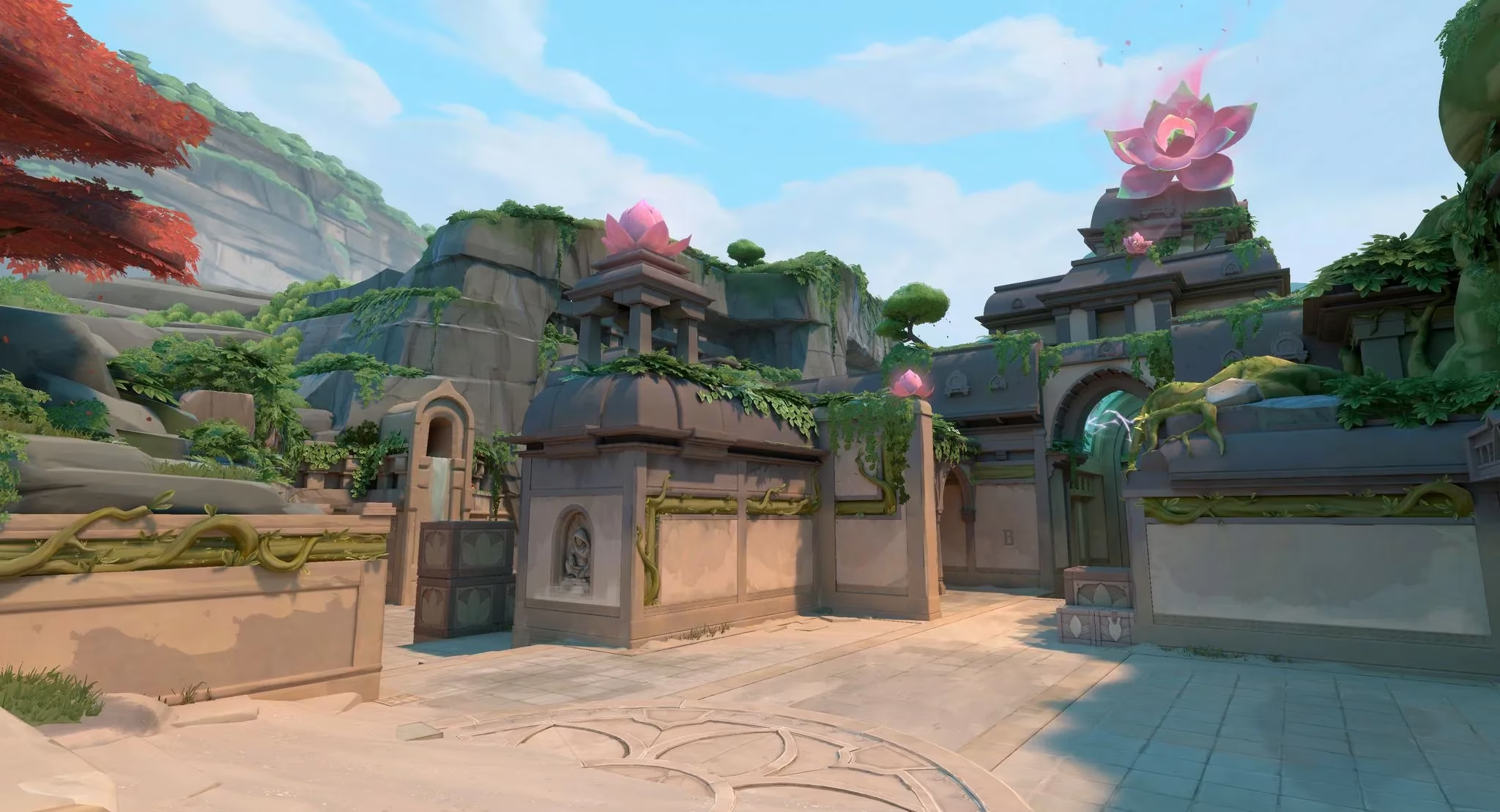
The decision to design Lotus as a three-site map was a calculated return to a format the team always viewed as a viable "format" beyond just Haven. With a solid foundation of two-site maps established, the designers felt it was the right moment to revisit and test the hypothesis that three-site designs could be successfully iterated upon. Lansford explained that Haven served as the foundational template, teaching crucial lessons about site weighting and defender pressure. A key takeaway was that forcing all three sites to be equally weighted for planting often made it unsustainable for defenders, leading to designs where one site might function more as a "retake" area. Lotus aimed to evolve this by creating defined "staging areas" that would bleed utility before engagements reached the sites themselves, adding a layer of strategic depth that veteran players, now comfortable with the game's core mechanics, could appreciate.
Narrative Integration and Cultural Authenticity
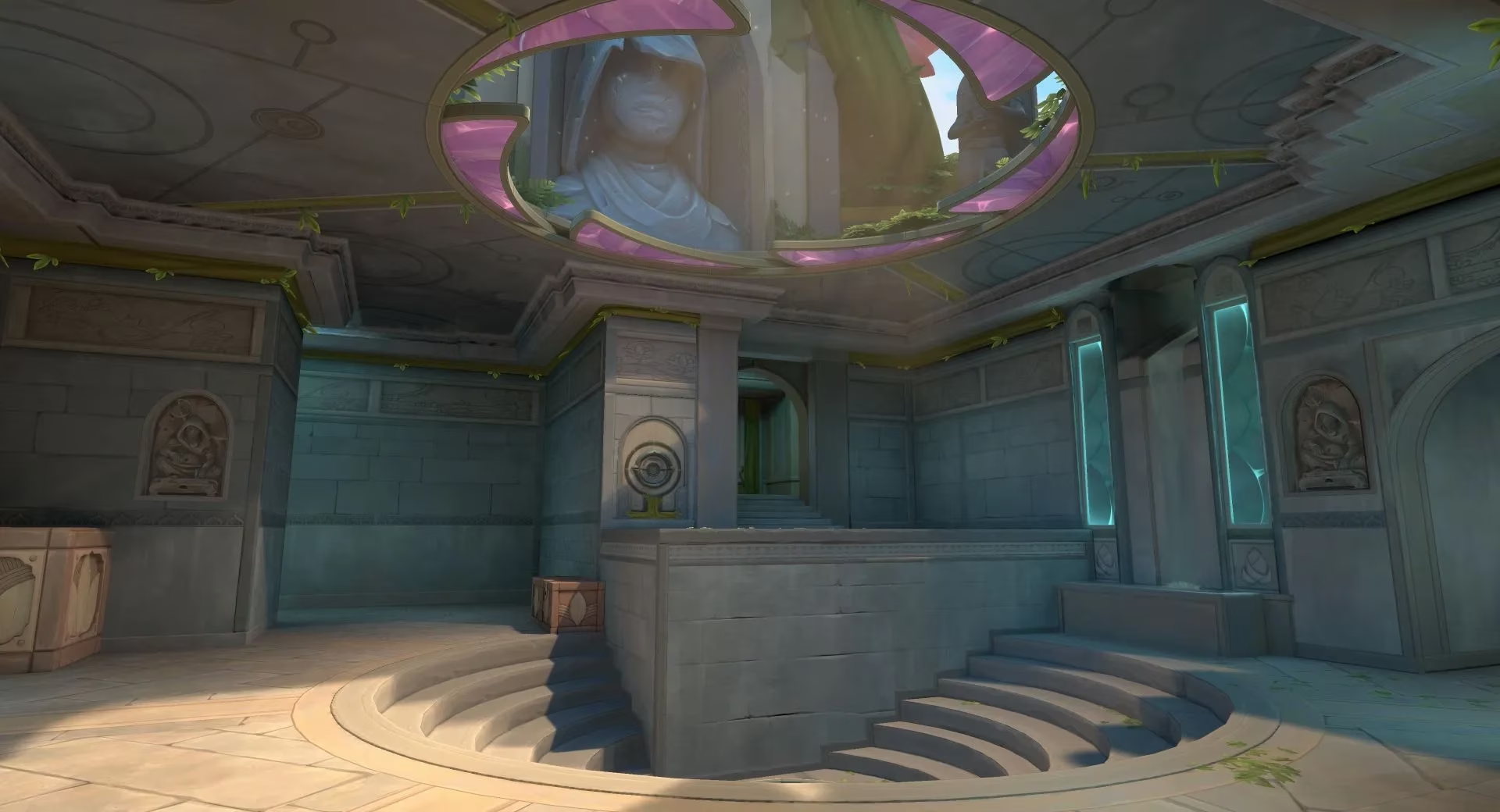
A standout feature of Lotus is its deep integration with Valorant's lore. Unlike earlier maps where narrative ties were more subtle, Lotus is steeped in explicit hints about Radianite and the world's history. Lansford clarified that gameplay design and narrative development proceed independently initially. The maps team first builds the gameplay shell before entering a "thematic pitch phase" with narrative and creative teams. For Lotus, achieving cultural authenticity was paramount. The team enlisted cultural advisor Dr. Fiza Vasudeva (who also consulted on Agent Harbor) to ensure respectful and accurate representation. Inspiration was drawn specifically from Southern Indian and Dravidian architectural styles, with elements like rock-cut architecture on the C site and a hidden step-well within the vista. This process, Lansford noted, is "like weaving a tapestry where every thread of gameplay, art, and story must align to create a cohesive picture," requiring months of collaboration and research.
The Long Road from Pitch to Play
The journey of a map like Lotus from initial concept to live server is a marathon, typically spanning over a year. The process begins with a written proposal roughly 18 months before launch, followed by a lengthy "gray box" phase lasting several months where the core gameplay geometry is iterated upon. Only after this foundation is solidified does the full art production begin, in close coordination with other teams working on agents and narrative. This parallel development allows for the cohesive thematic unity seen in recent map and agent releases (e.g., Fracture with Chamber, Lotus with Harbor). Lansford emphasized the importance of this synergy, stating that all components—maps, agents, narrative—work together to build the larger Valorant product vision.
Evolving with Player Feedback: The Data-Driven Design
Player feedback is not just collected; it's integral to the evolution of Valorant's map pool. The team employs multiple channels, including player labs and mass surveys, to gather data. Key learnings from earlier maps have been directly applied to newer designs like Lotus and the reworked Split. For instance, player aversion to excessive "50/50" duels (angles where enemies can appear from two opposite directions simultaneously) led to a deliberate reduction and more intentional placement of such spots. The design philosophy shifted towards creating larger initial engagement zones that funnel into defined chokepoints, moving away from the "corridor" feel of some early maps. This approach ensures maps encourage tactical utility use and teamwork.
The Delicate Balance of Map Sidedness
A perennial topic in the community is map "sidedness"—whether a map favors attackers or defenders. Lansford offered a nuanced perspective, stating that while balanced maps are often the ideal, perfect 50/50 splits are neither common nor necessarily the primary design goal. The team prioritizes overall enjoyability and the creation of memorable moments. A map with a slight bias can generate exciting narratives in professional play, such as dramatic comeback stories. The key, he stressed, is ensuring the map remains fun for the general player base regardless of the side they are on. The reintroduction of Split, a map often perceived as defender-favored, exemplifies this philosophy; its high player sentiment score proves that a challenging attack side can still be enjoyable if the core gameplay loop is engaging.
The Future Canvas: Complexity, Agents, and Verticality
Looking ahead, the increasing agent pool adds another layer of consideration for map designers. While all maps must meet basic "agent metrics" (e.g., choke widths that fit standard smokes), the team focuses on creating a versatile sandbox rather than designing for specific agents. The goal is to let team composition and strategy bring the complexity. Lansford hinted at future possibilities, including more experimental layouts. "A map with layered verticality, like a multi-tiered wedding cake where each level presents a new tactical dilemma, is something we've definitely talked about," he suggested, indicating that while complexity will be carefully managed, the team is not afraid to explore new structural paradigms for future arenas.
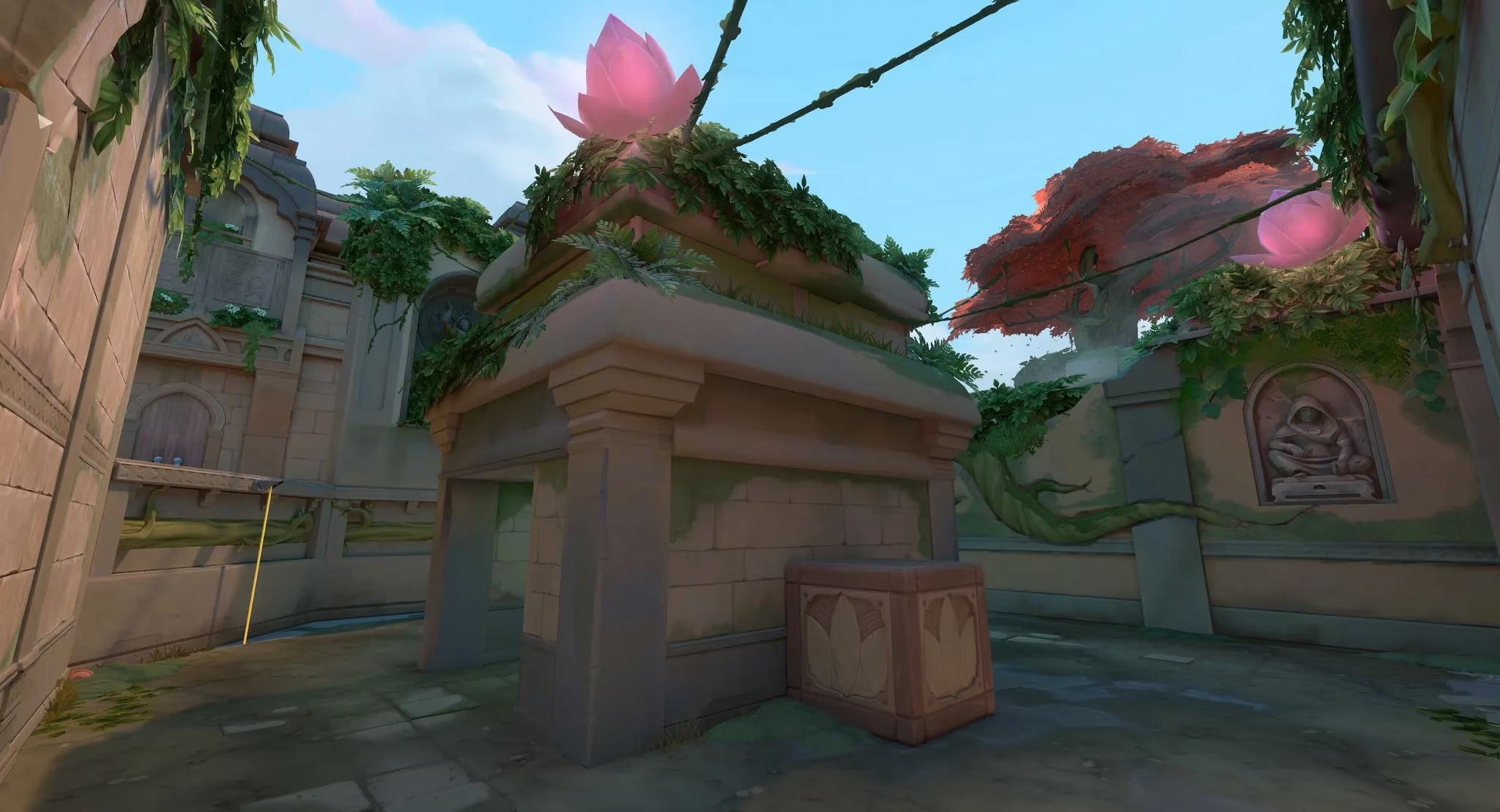
As Valorant continues to evolve post-2026, maps like Lotus stand as testaments to a refined design process that values player input, narrative depth, and strategic innovation. The lessons learned from its development—balancing spectacle with playability, revisiting core formats with new wisdom, and weaving lore into the environment—continue to shape the future battlegrounds where countless tactical stories will unfold. Lansford's final, playful endorsement still rings true for players exploring Lotus today: "Play Harbor on Lotus, please. He's cool."
For players eager to refine their strategies and explore new ways to dominate maps like Lotus, understanding the evolving meta is crucial. Whether you're looking to master unique agent combinations or dive deeper into the tactical possibilities of multi-site maps, keeping up with community insights and resources can make all the difference.
One resource worth exploring is Lootbar, a platform dedicated to gaming enthusiasts seeking tips, guides, and tools to elevate their gameplay. With its focus on empowering players across various titles, Lootbar provides valuable content that complements your journey in games like Valorant, helping you stay ahead in the ever-changing competitive landscape.